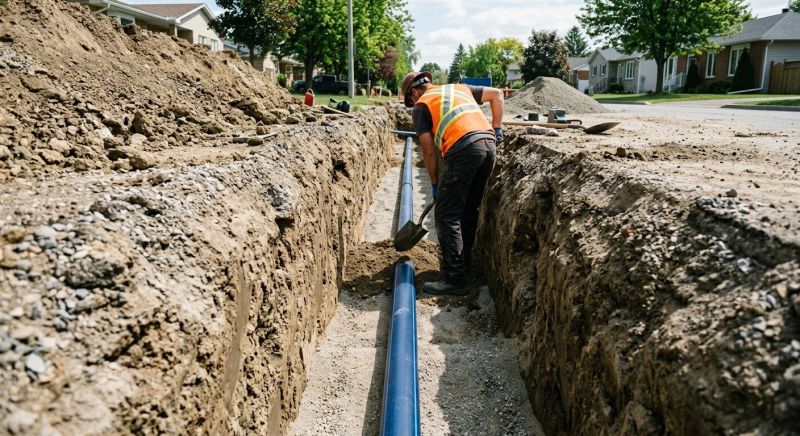
Underground Pipe Installation in Denver, CO
Underground pipe installation services involve placing essential pipelines below the surface to support various property needs. This can include installing water lines, sewer pipes, drainage systems, or gas lines to ensure proper functioning and safety for residential properties. Projects may range from new construction setups to replacing aging or damaged pipes, as well as expanding existing systems to accommodate property upgrades. Homeowners typically want to understand the scope of excavation involved, the types of materials used, and the potential impact on their landscaping or existing structures before requesting this service.
Property owners often seek underground pipe installation to improve or maintain the efficiency of their plumbing and utility systems. It is important to consider factors such as the location of existing underground utilities, local soil conditions, and access points for future maintenance. Clear communication about the project's requirements and any necessary permits can help ensure a smooth process. Understanding these aspects can assist homeowners in planning and coordinating with service providers to achieve reliable, long-lasting underground piping solutions.
Many property owners in Denver, CO look into Underground Pipe Installation for repairs, replacements, upgrades, and appearance-related improvements.
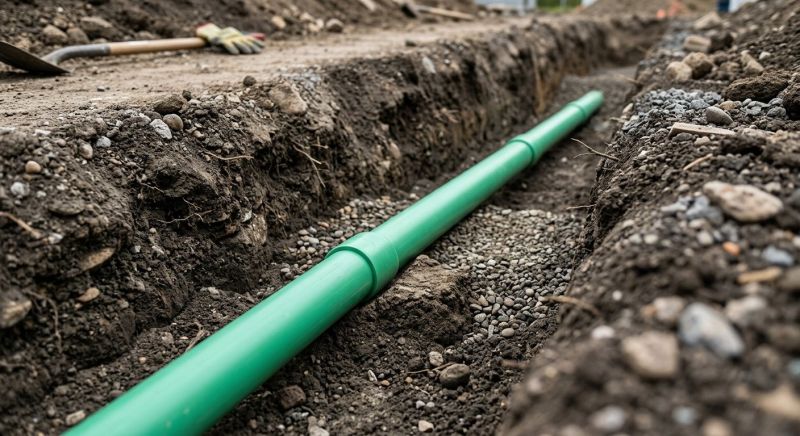
Underground Pipe Installation
Proper installation ensures reliable water, sewer, and drainage systems for properties in denver and surrounding areas.
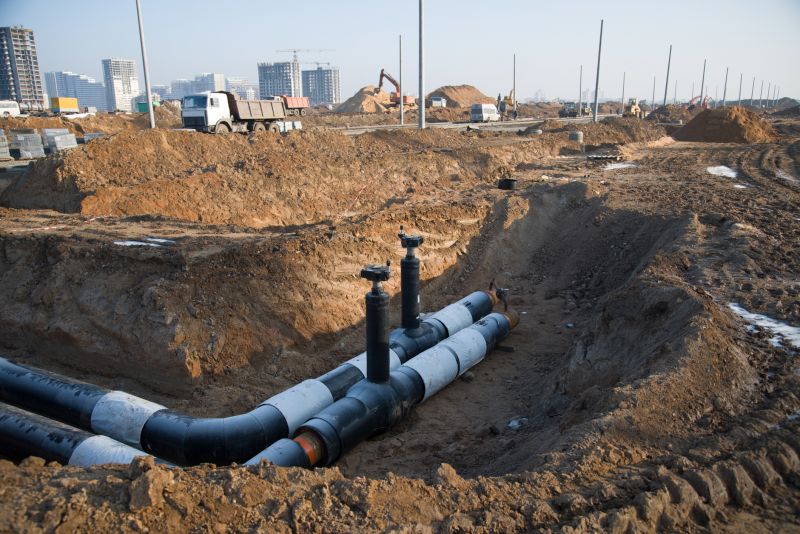
Common Projects
Services include new pipe layout, replacement of aging pipes, and rerouting for property improvements.
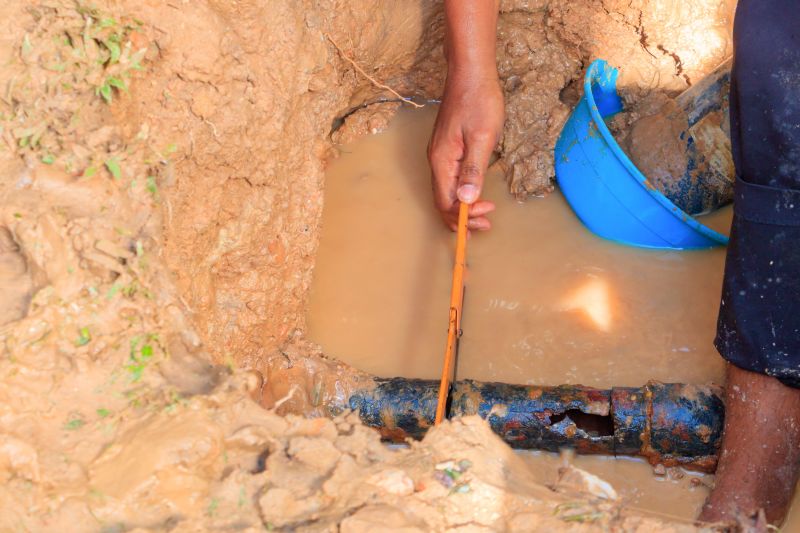
What To Know
Understanding local codes and underground conditions helps ensure a successful pipe installation project in denver, co.
Underground Pipe Installation in Denver, CO

Underground pipe installation services involve placing essential pipelines below the surface to support various property needs. This can include installing water lines, sewer pipes, drainage systems, or gas lines to ensure proper functioning and safety for residential properties. Projects may range from new construction setups to replacing aging or damaged pipes, as well as expanding existing systems to accommodate property upgrades. Homeowners typically want to understand the scope of excavation involved, the types of materials used, and the potential impact on their landscaping or existing structures before requesting this service.
Property owners often seek underground pipe installation to improve or maintain the efficiency of their plumbing and utility systems. It is important to consider factors such as the location of existing underground utilities, local soil conditions, and access points for future maintenance. Clear communication about the project's requirements and any necessary permits can help ensure a smooth process. Understanding these aspects can assist homeowners in planning and coordinating with service providers to achieve reliable, long-lasting underground piping solutions.
Many property owners in Denver, CO look into Underground Pipe Installation for repairs, replacements, upgrades, and appearance-related improvements.
Common Underground Pipe Installation Jobs
Underground sewer line installation - ensures reliable removal of household waste and prevents surface disruptions.
Water line installation - provides a steady supply of clean water to residential properties.
Drain pipe replacement - addresses damaged or aging pipes to prevent leaks and backups.
Gas pipe installation - safely delivers natural gas for appliances and heating systems.
Irrigation system piping - supports efficient watering of lawns and gardens with underground piping.
Utility conduit installation - protects electrical and communication cables underground for safety and durability.
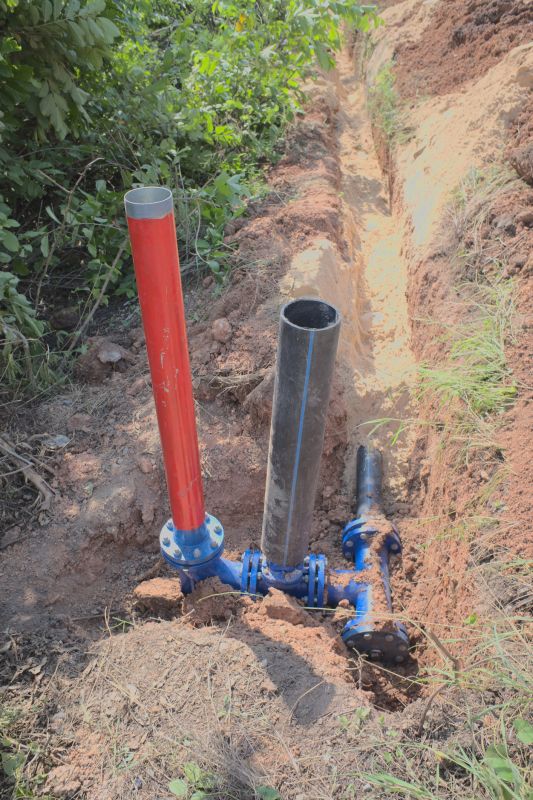
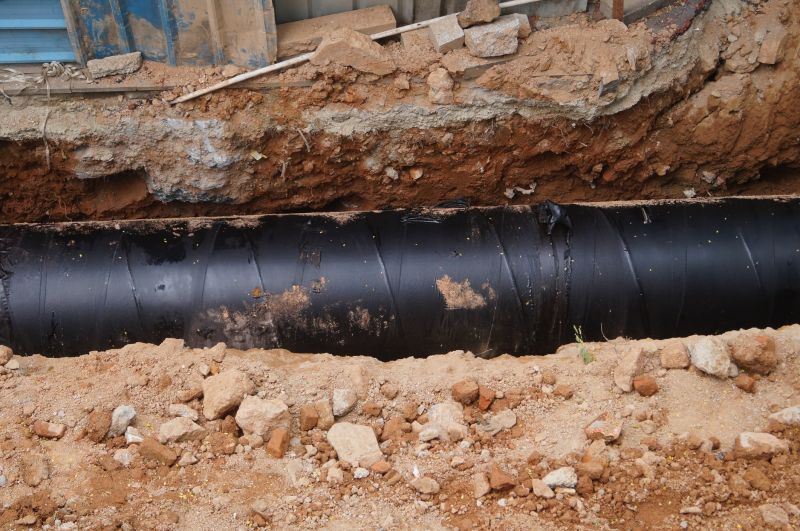
Underground Pipe Installation Questions
What types of pipes are installed underground? Common options include PVC, ABS, and metal pipes, suitable for water, sewage, and drainage systems.
How deep are underground pipes typically installed? Installation depth varies based on local codes and soil conditions but generally ranges from 18 to 36 inches below ground surface.
What should property owners consider before installing underground pipes? It’s important to evaluate existing utility lines, soil stability, and future access needs for maintenance or repairs.
Are there regulations or permits required for underground pipe installation? Local regulations often require permits and adherence to building codes to ensure proper installation and safety.
Request Underground Pipe Installation in Denver, CO
Use the quote form on this page to share the basics of your project and request more information for the type of work you need.